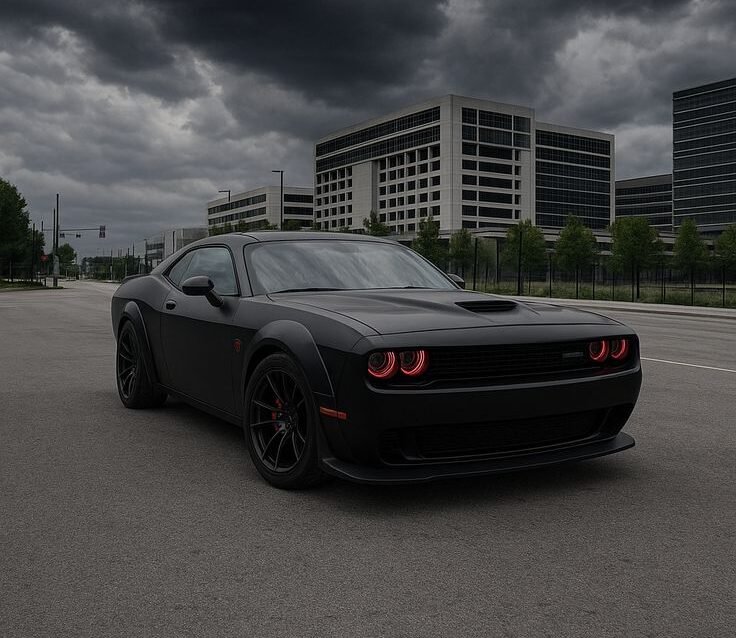
Dodge Challenger Amercain Car.
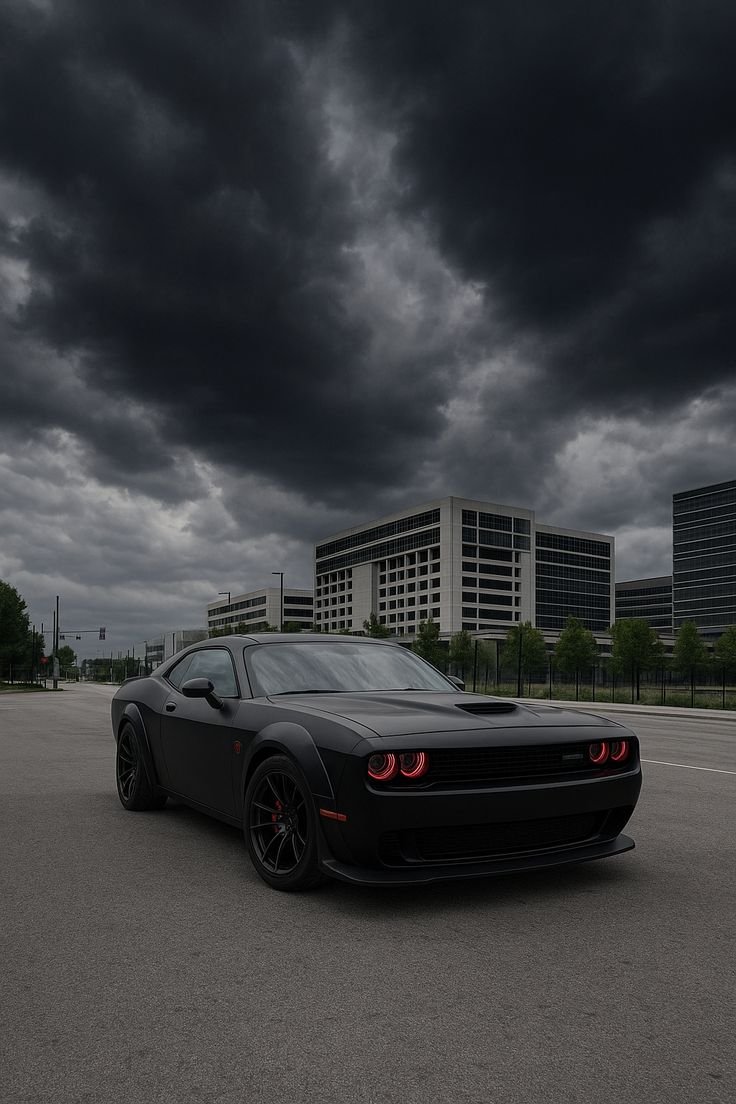
The Dodge Challenger is one of the few cars in the world that needs no introduction. Say the name and a picture forms instantly: a long, wide body, an aggressive front grille, and the deep, guttural rumble of a V8 engine. The Dodge Challenger is not just a vehicle — it is a statement, proof that raw horsepower and everyday usability can share the same garage.The Dodge Challenger story begins in 1969, when Dodge launched it on the Plymouth Barracuda platform. The 1970 model is remembered as the most spectacular of that era: two-door hardtop and convertible bodies, hideaway headlights, and legendary HEM power. That first generation ran until 1974. A smaller, badger version arrived between 1978 and 1983, built with Mitsubishi, but purists never accepted it as a true Challenger. Then, in 2008, Dodge revived the Dodge Challenger — and this time it stuck, carrying that legacy all the way to today’s models.The modern Dodge Challenger (LC platform) is a marriage of retro design and modern technology. Its silhouette is clearly inspired by the 1970 original, but inside you get modern infotainment, digital displays, safety tech and genuine comfort. That combination is exactly why the car appeals to both old-school muscle fans and a new generation of buyers. .🎨 Design and InteriorThe body is long and wide, which is why the Challenger reads as more “muscle” than its rivals. Long hood, short cabin, broad rear haunches and the iconic full-width rear light bar are the signature elements. Hellcat and Scat Pack trims add hood scoops, wider tires, bigger brakes and aggressive banging.Inside, the cabin is genuinely spacious. Unlike most two-doors in this class, the rear seats fit real adults — that is a rarity. The U connect infotainment system is quick and simple to use. Yes, there are some hard plastics, and the design leans retro, but this car’s appeal was never the dashboard. It is the engine note.🏁 Performance and Driving FeelOn the highway, the Challenger is a king. In R/T and Scat Pack form, power delivery is smooth — you can cruise comfortably all day, then hit Sport mode and the car shows its true face. Hellcat variants are brutal in the best way; the supercharger whine and exhaust note alone are worth the price.Here is the honest part: the Challenger is not the sharpest handler. Its weight and size mean it does not corner with the agility of a Mustang or Carom. It is a straight-line muscle car — power on the open road, comfort on the long haul. If you chase lap times, this is not your car.⛽ Fuel, Maintenance and ReliabilityThis is the section new buyers ignore at their own cost:Fuel: V8 trims are thirsty. Single-digit MPG in city driving is normal. If you commute 50 km a day, budget accordingly.Tires and brakes: Hellcat-class tires and pads wear fast and cost real money to replace.Reliability: V6 and standard V8 models are reasonable, but high-power trims demand strict maintenance schedules.Insurance: More horsepower means higher premiums — and in import markets, that multiplier gets worse.💰 Pricing and Import RealityPricing swings wildly by trim. A base V6 sits at the bottom, while Hellcat and Demon versions climb steeply. In markets like Pakistan or the Gulf, import duty and registration can push the landed cost far beyond the sticker price, so calculate the total before you commit. The used market is full of Challengers too — but never buy a used performance car without a full engine and transmission history.✅ ConclusionThe Dodge Challenger wins hearts despite its flaws. If you love raw power, iconic design and American muscle culture — and you can live with the fuel and maintenance bills — it is a superb choice. If you need precise handling and fuel efficiency, look elsewhere. But anyone who has started a Challenger V8 once never forgets that sound.
#DodgeChallenger #Dodge #Challenger #SRTHellcat #MuscleCar #AmericanMuscle #Hellcat #ScatPack #Mopar #CarLovers #CarReview #V8 #MuscleCars #DodgeChallengerSRT